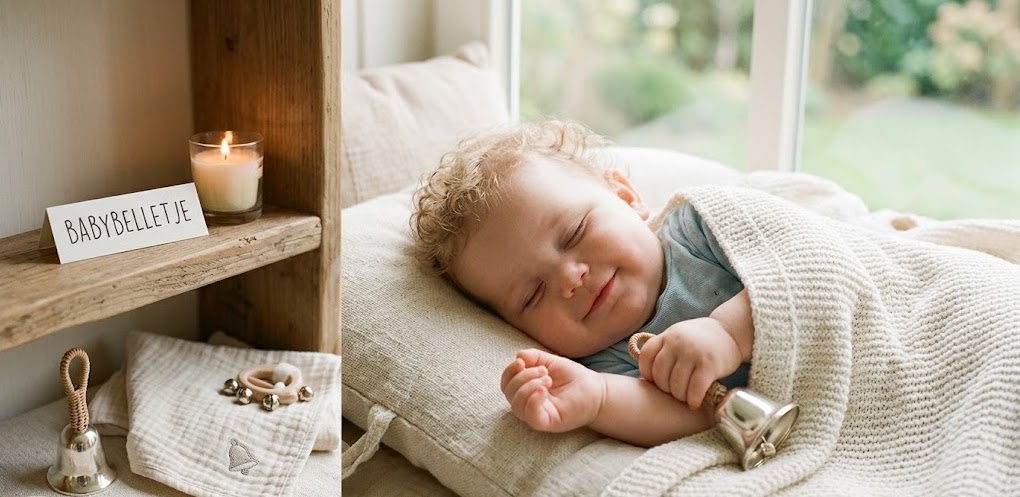
Some words that connect old ways of life with new ones get people’s imaginations going in 2026, when things are changing quickly. “Babybelletje” is one of these words. It may look like a simple small word, but it has become a complicated idea that includes everything from unique naming trends to mindful parenting to even snacking that makes you feel nostalgic.
If you’ve heard this word and wondered what it means, this guide explains the problem of “defining the indefinable” by looking at the three main parts of the Babybelletje trend.
1. The linguistic roots: What does it really mean?
The word comes from Dutch and is a mix of “baby” and “belletje,” which means “little bell.” It gives the impression of being delicate, clear, and having a soft ringing sound.
In a modern context, it has moved beyond its literal translation to represent “The Joy of Small Things.” Whether it is a soft sound, a small gift, or a tiny child, Babybelletje acts as a linguistic hug—conveying warmth and protection.
2. The Babybelletje Parenting Philosophy
Modern parents are increasingly moving away from “loud” toys and high-stimulation environments. This has led to the Babybelletje Method, which is a calm way to care for babies.
-
Auditory Comfort: Use soft chimes that sound like bells or a gentle hum to let people know it’s time to change (like when it’s time for a nap).
-
Sensory Play: This is when you use small, safe, and touchable things to help with fine motor skills without making the brain work too hard.
-
The “Little Bell” Effect: This parenting style is like a small bell that clears the air. It focuses on getting rid of stress and making the home a peaceful place to live.
3. A Trend in Identity and Naming
As traditional names become oversaturated, parents in 2026 are looking for “aesthetic” names that sound melodic. While some use Babybelletje as a playful nickname, it has inspired a wave of “B-names” that share its phonetic softness. It solves the problem of finding a name that is both unique enough to be memorable but soft enough to be approachable.
4. The Nostalgia Factor: Snacks and Culture
We cannot ignore the cultural link to the famous mini-cheese snacks. For many, Babybelletje represents portability and play. The ritual of peeling back the red wax is a sensory experience that adults now view with nostalgia. In a busy world, the “Babybelletje lifestyle” encourages taking a moment for a small, simple treat that brings back childhood joy.
Why Is It Trending Now?
The surge in interest is largely due to our collective desire for gentleness. In an era of high-tech digital noise, a word that literally translates to a “tiny bell” offers a psychological reset. It represents a return to:
-
Simplicity in a complex world.
-
Gentle Parenting over rigid discipline.
-
Unique Branding for those looking to stand out on social media.
Frequently Asked Questions (FAQs)
Is “Babybelletje” a common dictionary word? Not exactly. While “belletje” is a standard Dutch word, the compound “Babybelletje” is a modern cultural term used to describe a specific aesthetic and lifestyle trend.
How do I pronounce Babybelletje? It is generally pronounced as Baby-bell-et-yuh. The “j” in Dutch often sounds like a soft “y” in English.
Can I use this as a official name for my child? While it is more commonly used as a term of endearment or a nickname, modern naming laws in many countries allow for creative names. However, most parents use it as a “heirloom nickname” used within the family.
Does it have any connection to meditation? Yes, some mindfulness practitioners use the concept of the “Babybelletje” (little bell) as a reminder to return to the present moment, similar to a Zen mindfulness bell but with a more lighthearted, domestic focus.
Why is it associated with cheese? Because of the brand Babybel. In many European regions, the diminutive form “-etje” is added to the brand name to refer to the small, cute snack size.


