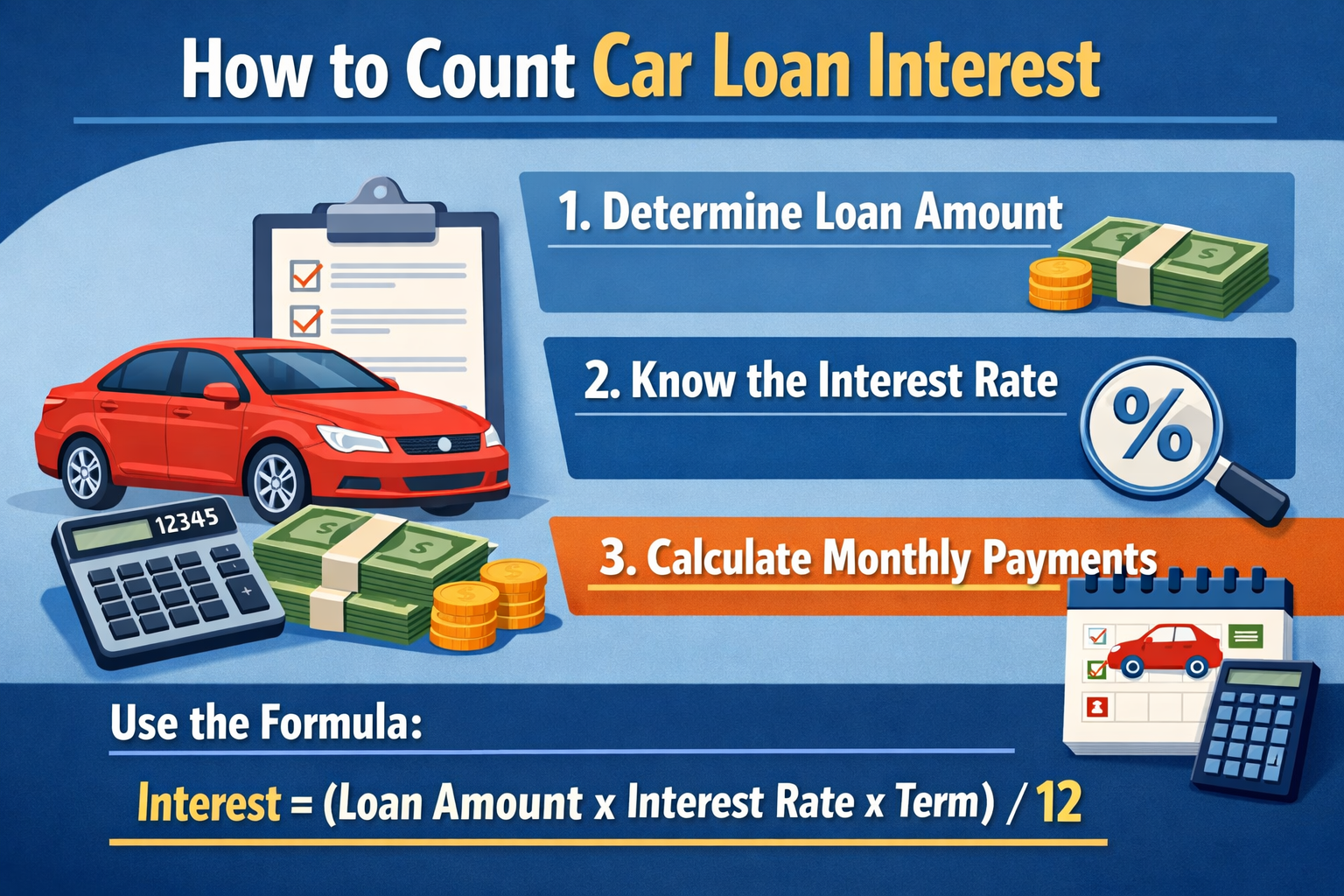
Car Loan EMI Calculator: How to Master the Math Behind Your New Ride
Buying a car is an emotional milestone, but the financing side is pure math. Most buyers walk into a dealership focusing only on the “Monthly EMI,” which is exactly what lenders want. To truly own your car—and not let the loan own you—you need to understand how car loan interest is calculated and where the “hidden” costs live.
The Anatomy of a Car Loan: Beyond the Monthly Payment
When you use an online tool or look at a loan offer, four specific variables determine your financial health for the next few years:
-
The Principal Amount: This isn’t the price of the car; it’s the price minus your down payment. The larger your down payment, the lower this “seed” number.
-
The Annual Percentage Rate (APR): This is the actual cost of your loan. Unlike a simple interest rate, the APR includes processing fees and mandatory charges.
-
The Loan Tenure: This is your timeline. While a 7-year loan (84 months) looks attractive because of the low EMI, you will often end up paying nearly double the car’s value in interest.
-
The Reducing Balance: Most modern car loans calculate interest on the remaining principal each month, not the original amount.
How to Manually Calculate Your Car Loan Interest
While online calculators are convenient, knowing the manual formula allows you to spot-check bank offers for errors or hidden markups.
The formula for the Equated Monthly Installment (EMI) is:
Let’s break that down into plain English:
-
$P$ (Principal): The amount you are borrowing.
-
$r$ (Monthly Interest): Take your annual rate (e.g., 9%) and divide it by 12, then by 100 ($0.09 / 12 = 0.0075$).
-
$n$ (Months): The total number of payments (e.g., 60 for a 5-year loan).
The “Real World” Example:
If you borrow ₹10,00,000 at 9.5% for 5 years:
-
Your monthly interest rate is roughly 0.79%.
-
Your EMI will be approximately ₹21,002.
-
By the end of the term, you will have paid ₹12,60,120. That extra ₹2.6 Lakh is the “cost” of the money.
Amortization: Why Early Payments Matter Most
Amortization is the process of paying off debt in regular installments. In the first year of your car loan, a massive chunk of your EMI goes toward interest, while only a small portion touches the principal.
As the years pass, this ratio flips. This is why pre-paying your loan in the first 24 months is a powerhouse move. Even a single extra payment early on can save you tens of thousands in interest because it slashes the principal before the interest has a chance to compound.
Crucial Factors That Move Your Interest Rate
Lenders use a “risk-based pricing” model. Your rate isn’t set in stone; it’s a reflection of your profile:
-
Credit Score (CIBIL): A score above 750 is your “golden ticket” to sub-9% rates. Anything lower, and you are viewed as a risk, which adds a “premium” to your rate.
-
New vs. Used: Used car loans are significantly more expensive. Banks view a 5-year-old car as volatile collateral, often charging 3% to 6% more than they would for a showroom-fresh vehicle.
-
The Debt-to-Income Ratio: If your total debts (Home loan, Credit Cards, etc.) exceed 50% of your monthly take-home pay, lenders will either hike the rate or reject the application.
The “Hidden” Checklist: Costs You Aren’t Being Told
When you sign those papers, look for these three things:
-
Processing Fees: Usually a flat fee or a percentage (0.5%–2%). Always ask for a waiver during festive seasons.
-
Foreclosure Charges: Some banks charge you for being “too good” at paying back. Ensure your loan allows for early closure with minimal penalty.
-
Documentation & Stamp Duty: These are small but non-negotiable costs that vary by state.
Frequently Asked Questions (FAQ)
Q: Can I negotiate the interest rate offered by the dealer?
A: Yes. Dealers often have a “mark-up” on the bank’s base rate. Always get a quote from your primary bank first to use as leverage at the dealership.
Q: Is a zero-percent interest car loan real?
A: Usually, no. “0% Interest” schemes often involve the manufacturer paying the interest to the bank upfront, but you lose out on cash discounts or pay a much higher processing fee.
Q: Should I choose a longer tenure to save money?
A: No. A longer tenure reduces the monthly stress on your wallet, but it increases the total interest paid to the bank. Aim for the shortest tenure you can comfortably afford.
Q: Does my car insurance affect my loan?
A: Indirectly. Lenders require “Comprehensive Insurance” with a “Hypothecation” clause, ensuring the bank is paid first if the car is totaled.

