
Based on the latest 2026 tech landscape, here are the leaders in the space.
1. Synthesia (The Corporate Powerhouse)
Synthesia remains the “gold standard” for professional-grade avatars. Its 2026 update introduced “Live Expressions,” allowing avatars to react to audience sentiment in real-time.
-
Best for: Keynote speeches, training workshops, and corporate announcements.
-
Highlight: Over 160 ethnically diverse avatars and 140+ languages.
-
Pro Tip: Use their “AI Script Assistant” to turn a rough outline into a polished speech in seconds.
2. HeyGen (The “Digital Twin” Expert)
HeyGen is famous for its hyper-realistic “Instant Avatars.” You can record a 2-minute video of yourself, and HeyGen creates a digital clone that looks and sounds exactly like you.
-
Best for: Personalized invitations and “Daily Update” clips during multi-day summits.
-
Highlight: Top-tier voice cloning and “FaceSwap” technology for brand mascots.
3. D-ID (The King of Interactivity)
D-ID has moved beyond “talking photos.” Their 2026 Streaming API allows for face-to-face, real-time conversations. This means an attendee can walk up to a digital “Information Kiosk” and have a voice-to-voice chat with an avatar.
-
Best for: Interactive Q&A booths and virtual concierge services.
-
Highlight: Low-latency responses that feel like a real human conversation.
4. DeepBrain AI (Hyper-Realistic “AI Humans”)
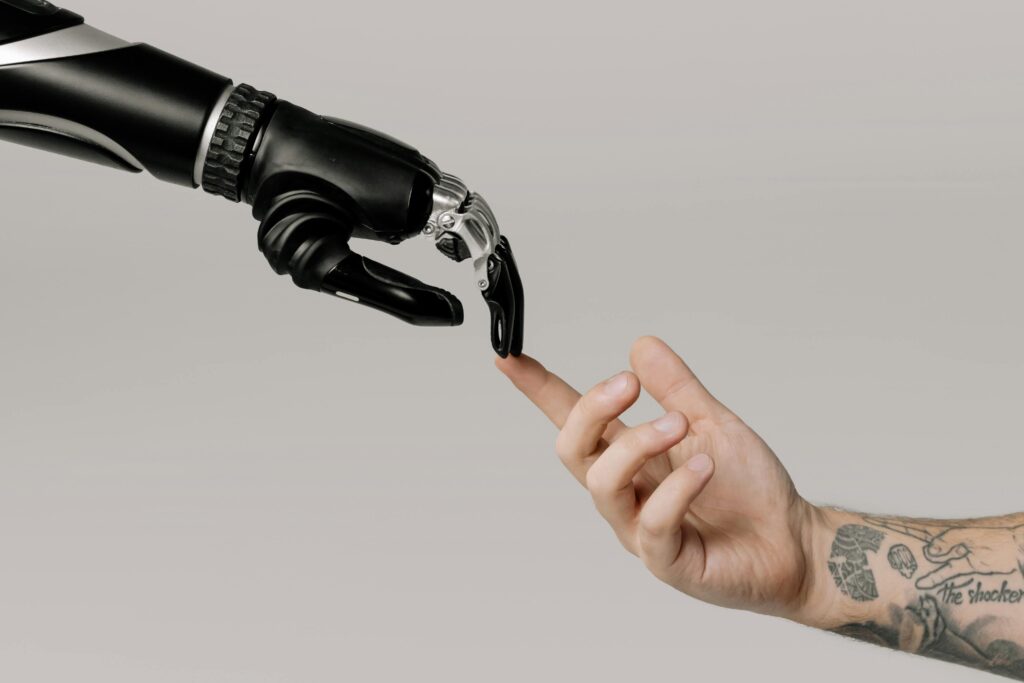
DeepBrain specializes in “AI Humans” used by news anchors and banks. If your event requires an authoritative, polished host that looks 100% real, this is your tool.
-
Best for: Formal summits, news-style event recaps, and financial webinars.
-
Highlight: Realistic body language and fluid hand gestures.
5. Zoom AI Avatar Clips (The “Built-In” Helper)
Zoom now offers native AI avatar features. You can create “Clips” (short video messages) to send to your participants directly within the Zoom ecosystem.
-
Best for: Internal meetings, quick event updates, and icebreakers.
-
Highlight: Seamless integration—no need to export or upload files.
Common Challenges & Human Solutions
Using AI avatars isn’t always plug-and-play. Here are three common “hang-ups” and how to solve them like a pro.
The “Uncanny Valley” Feeling
Sometimes avatars can look too perfect, making them feel slightly robotic or “creepy.”
-
Solution: Give your avatar a personality. Use a “Human-in-the-loop” approach where you record your own voice but use an AI body. Also, choose avatars with subtle imperfections—blinking, slight head tilts, or natural pauses—to break the robotic feel.
Lip-Sync Lag
If your script has very long, complex sentences, the AI might struggle to keep the mouth movements aligned.
-
Solution: Write for the ear, not the eye. Use short, punchy sentences. If the sync looks off, try adding “phonetic” spelling for difficult brand names or technical jargon.
Engagement Drop-Off
Audiences might tune out if they feel they are just watching a “bot.”
-
Solution: Use the avatar as a Co-Host. Let the AI handle the data-heavy intros and logistics, while a live human handles the emotional, high-stakes discussion. This “Hybrid Hosting” keeps the energy high.
Frequently Asked Questions (FAQs)
Q: Are AI avatars legal to use for events? A: Yes, as long as you have the rights to the likeness. Most platforms provide “Stock Avatars” that are fully licensed. If you create a “Digital Twin” of a celebrity or CEO, you must have their explicit legal consent.
Q: Do I need a professional studio to create my own avatar? A: Not at all. With tools like HeyGen or Tavus, a smartphone video shot in good lighting is enough to create a professional digital version of yourself.
Q: Can these avatars answer live questions from the audience? A: Only specific “Real-Time” tools like D-ID or RAVATAR can do this. Most others are designed for pre-recorded content. However, in 2026, many platforms are integrating with LLMs (like Gemini) to allow for “Live Response” features.
Q: Is there a free version of these tools? A: Most platforms like Synthesia and Vidnoz offer a free trial (usually 1–3 minutes of video). For a full event, you will likely need a “Pro” or “Creator” plan, which typically starts around ₹2,000–₹3,000 per month.
Final Thoughts: The Future is Hybrid
The most successful virtual events in 2026 aren’t replacing humans with bots; they are using AI to free up human creativity. By letting an AI avatar handle the greetings and the technical announcements, you can spend more time engaging with your VIPs and building real connections.


