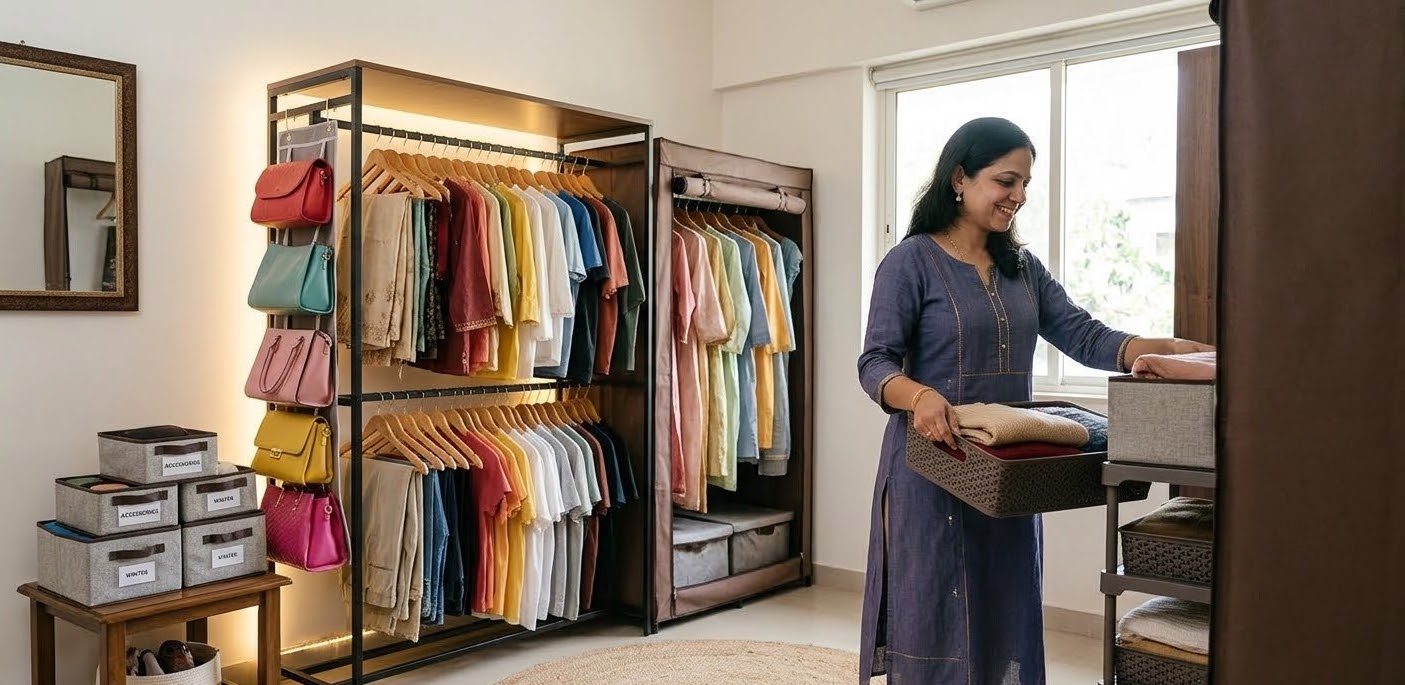
Spare Room to Walk-in: Transforming Your Small Bedroom Into a Closet
We’ve all been there—fighting with a jammed sliding door or trying to shove “one more hanger” into a wardrobe that’s already gasping for air. If you have a small spare bedroom that’s currently just a graveyard for old gym equipment or guest linens, you’re sitting on a goldmine.
Turning a small bedroom into a closet isn’t just a luxury move; it’s a practical solution to the daily “I have nothing to wear” chaos. But you can’t just throw clothes into a room and call it a closet. You need a system that prevents it from looking like a storage unit.
The “Zone” Strategy: How to Organize the Space
The biggest mistake people make is buying one giant wardrobe and calling it a day. To make a room feel like a boutique, you need to think in layers.
1. The Anchors (Hanging Space)
In a dedicated closet room, you want your clothes to breathe. Instead of heavy, dark wooden cupboards that make the room feel tiny, use open structures.
-
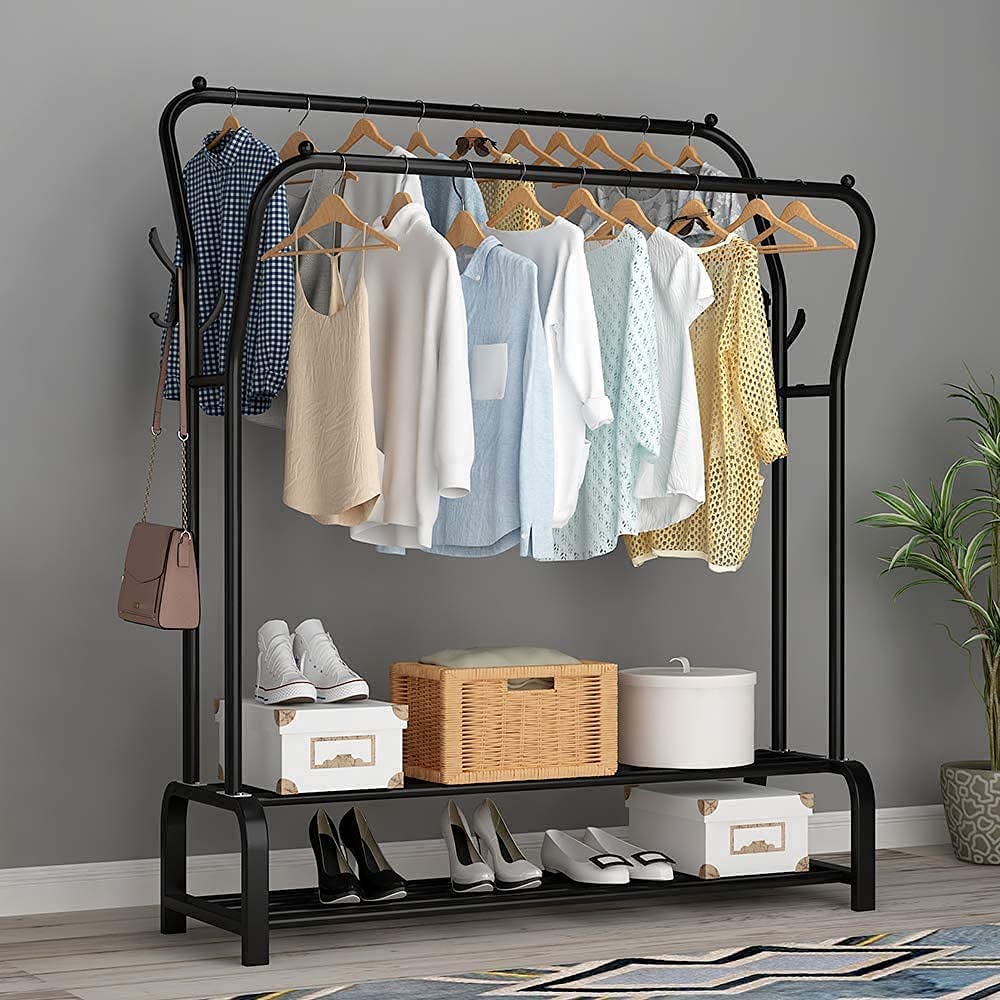
The Open Air Look: A Lukzer Heavy-Duty Cloth Stand is perfect for your “current rotation.” It keeps your coats and dresses visible and wrinkle-free. Because it’s open, it keeps the room feeling airy rather than cramped.
-
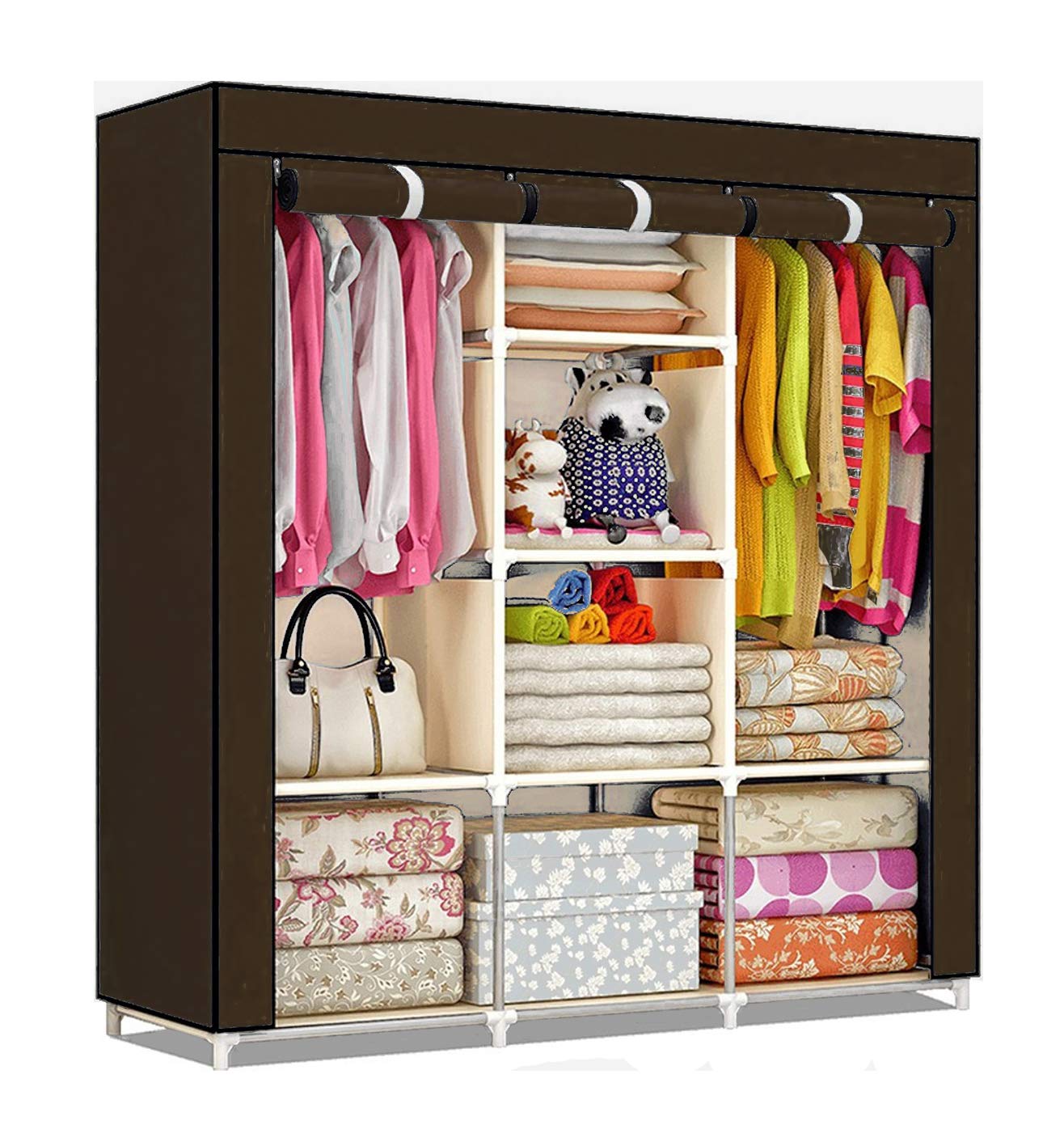
The Modular Option: If you need something more substantial but still flexible, a Portable Collapsible Wardrobe allows you to hide away seasonal items while keeping the room organized.
2. The Invisible Killers: Handbags and Shoes
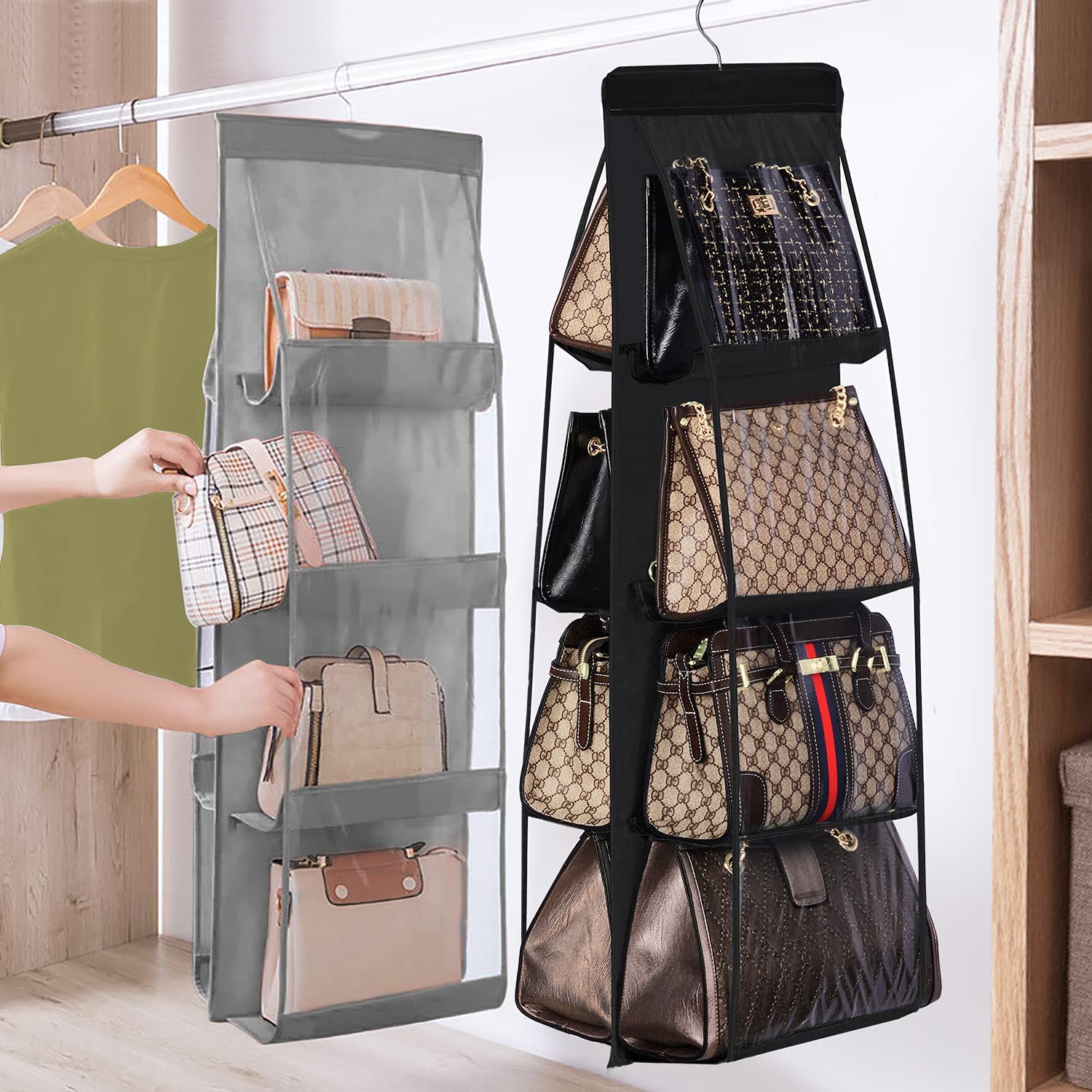
Nothing ruins a walk-in closet faster than a pile of bags on the floor. It creates “visual clutter” that makes you feel stressed.
-
Vertical Thinking: Use a Lirex Handbag Organizer. By hanging your bags vertically, you reclaim floor space and stop your purses from getting squashed or losing their shape.
3. Taming the Shelves (Small Items)
Flat surfaces are the enemy of organization—they invite “piling.” You need boundaries for your folded clothes.
-
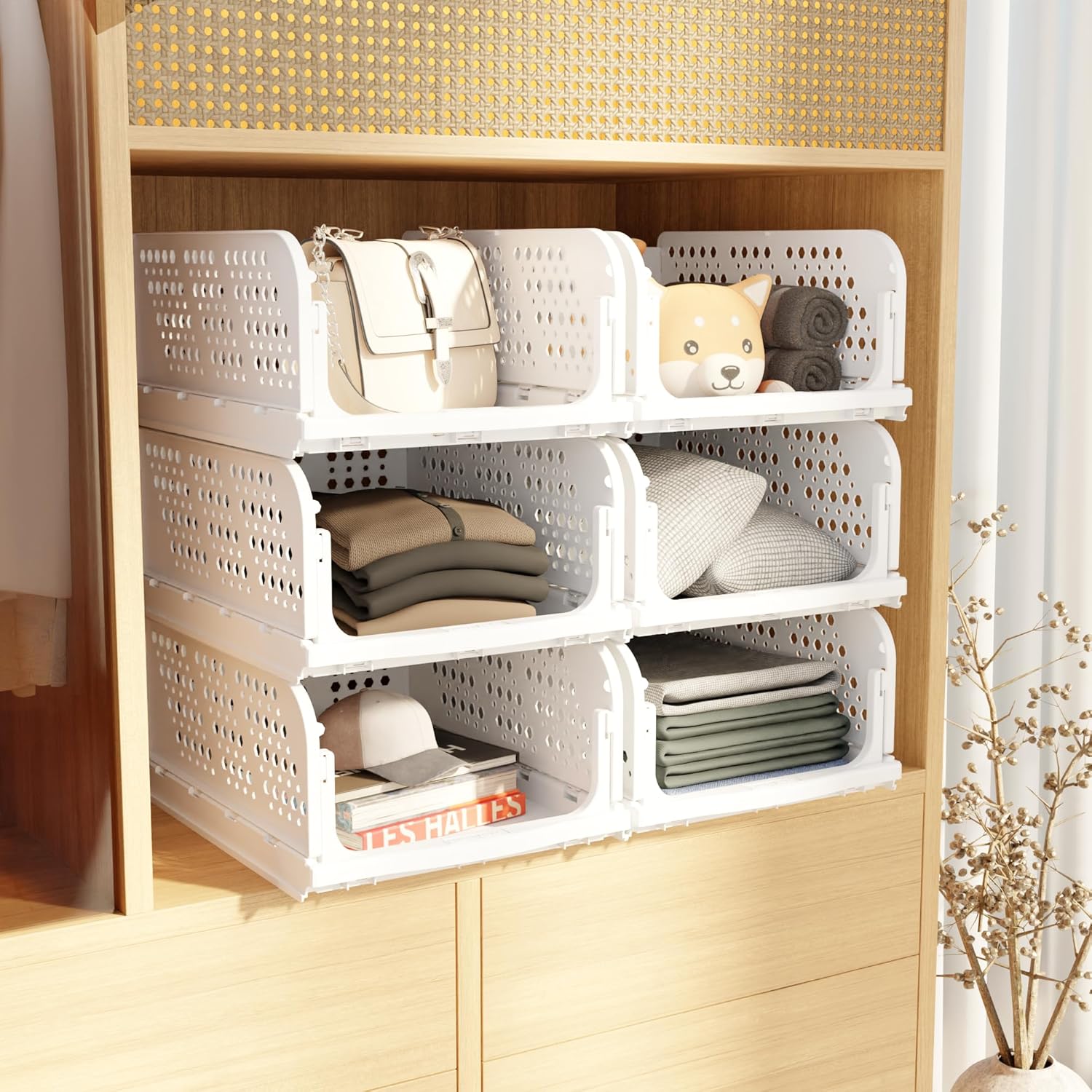
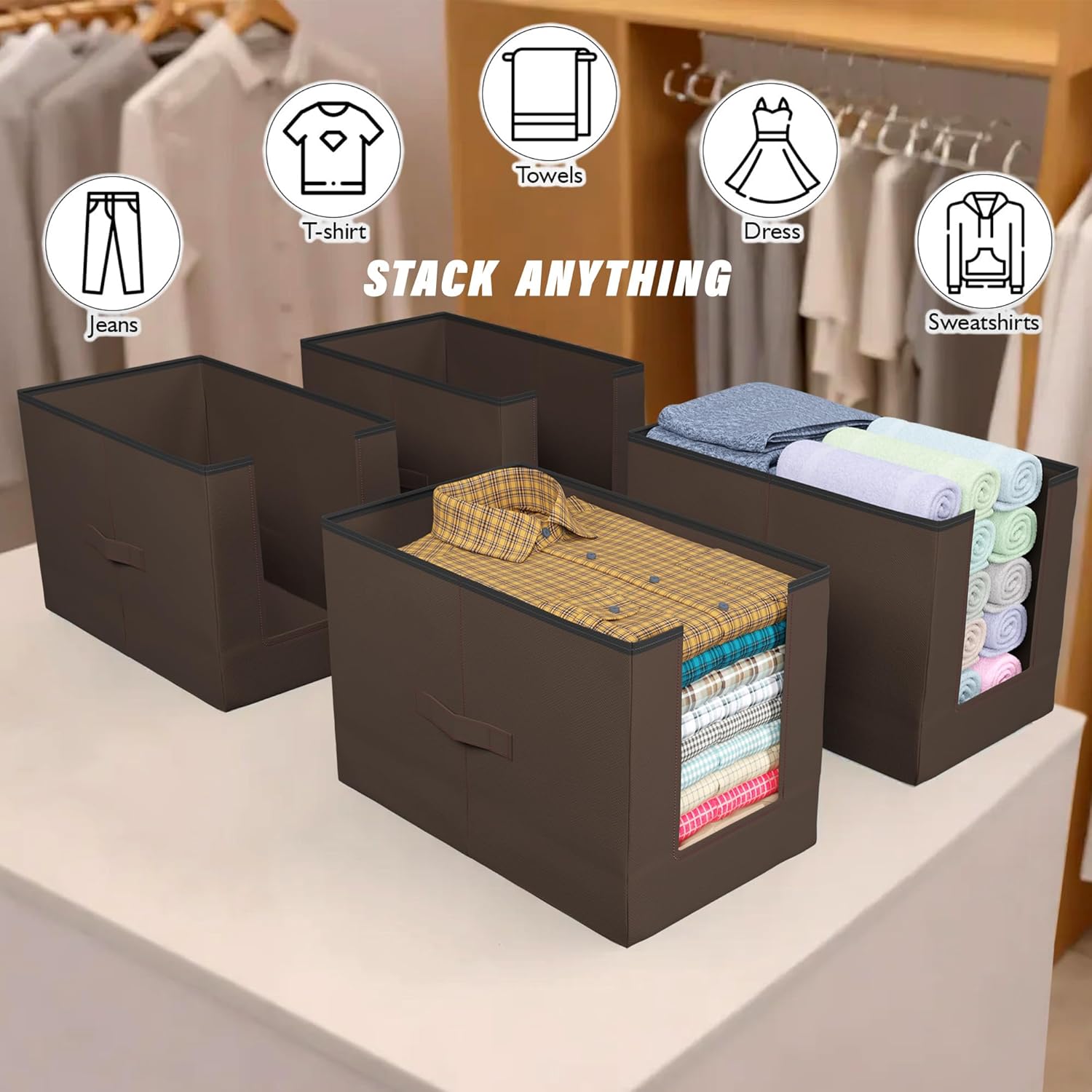
Stackable Efficiency: The Amazon Basics Wardrobe Organizer and Kuber Industries Non-Woven Bins are essential. Use these to categorize: one for workout gear, one for sweaters, one for accessories. It forces you to put things back in their specific “home.”
Making It Feel Like a Room, Not a Storage Bin
To avoid the “closet-turned-messy-pantry” vibe, follow these two rules:
-
Uniform Hangers: Use the same type of hangers throughout. It’s the cheapest way to make a DIY closet look professional.
-
Leave the Center Open: Keep the middle of the room clear. If you have space, put a small ottoman or a soft rug there. This makes it feel like a dressing room where you can actually move.
FAQ: Solving the Common Conversion Problems
Q: Will this hurt my home’s resale value?
A: Not if you do it right. Use “freestanding” furniture rather than drilling permanent fixtures into every wall. If you ever sell, you can simply move the racks out and it’s a bedroom again.
Q: How do I deal with dust in an open closet?
A: Open racks like the Lukzer stand are great for daily wear because the air circulation actually prevents that “musty” closet smell. For items you rarely wear, use the collapsible closed wardrobe or dust covers.
Q: The room feels dark. How can I fix that?
A: Closets need bright, neutral light. If you can’t change the ceiling fixture, add a simple LED strip behind your main clothing rack. It makes finding black socks significantly easier!
Q: How do I stop the room from becoming a “junk room”?
A: Follow the “one in, one out” rule. Since you now have a dedicated space, if a bin or rack is full, you have to donate something before buying more.


